Hair Care Tips
How to Build a Scalp Care Routine for Healthier Hair
Your scalp is the foundation of healthy hair. A consistent scalp care routine controls buildup, balances sebum, and supports growth — here's how to build one that actually works.
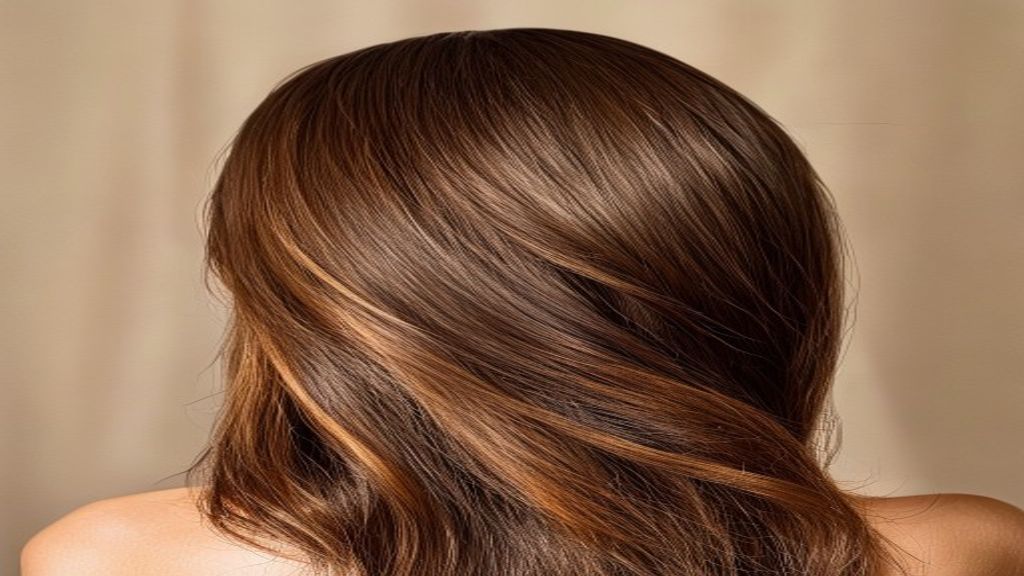
Healthy hair starts at the scalp. Most people invest time in shampoo, conditioner, and styling products, but the scalp itself, the skin your hair actually grows from, gets little specific attention beyond a quick lather. A deliberate scalp care routine changes that, and the results show up in the hair over weeks and months.
A scalp care routine is a consistent set of habits: cleansing frequency, massage technique, exfoliation, and targeted treatments designed to keep the scalp's natural ecosystem balanced. When that balance holds, oil production stays regulated, buildup clears before it can clog follicles, and the conditions for healthy hair growth remain intact.
Why Scalp Balance Is Worth Your Attention
The scalp hosts a community of bacteria and fungi that, when in balance, help regulate sebum production and protect against conditions like dandruff and irritation. Disrupting that balance through harsh cleansers, infrequent washing, or excessive heat can tip things toward excess oiliness, persistent flaking, or inflammation, all of which affect the quality of hair growth.
Published research in BMC Microbiology has confirmed that the scalp microbiome's equilibrium is directly linked to sebum regulation, dandruff control, and hair growth outcomes. What you do on wash day — and what you consistently skip — matters more than most products in your bathroom cabinet.
How to Build a Scalp Care Routine
A complete scalp care routine covers five areas: cleansing frequency, massage, exfoliation, targeted treatments, and protection. Here's how each piece works.
1. Match wash frequency to your scalp type
Oily or fine hair generally needs washing every one to two days; dry, textured, or chemically treated hair can go two to four days between washes. Washing too frequently strips natural oils and prompts the scalp to overproduce sebum in response. Too infrequently, and product residue, sweat, and dead skin accumulate at the follicle openings, blocking hair as it grows.
2. Shampoo the scalp, not the lengths
Apply shampoo directly to the scalp and work it in with fingertip pads, not nails. Rinsing carries diluted product through the rest of the hair without over-drying ends that are already prone to moisture loss, especially important for color-treated or chemically processed hair.
3. Massage while you wash
Scalp massage during washing takes under five minutes and has research behind it. A study published in Dermatology and Therapy found that regular standardized scalp massage was associated with hair loss stabilization or regrowth in nearly 69% of self-assessed participants, with improvements correlating with total massage effort over time. The mechanism proposed involves mechanical stimulation of the dermal papilla cells that direct hair growth beneath the scalp surface.
Use circular fingertip pressure from the nape forward, covering all zones for two to four minutes per session. No device required.
4. Exfoliate once a week
Scalp exfoliation removes dead skin cells, excess sebum, and product residue that accumulate even with regular washing. A gentle physical scrub or a salicylic acid scalp formula used once weekly keeps follicle openings clear and allows any treatments applied afterward to absorb more effectively. Color-treated or sensitive scalps do better at every 10–14 days to avoid over-stripping.
5. Add a targeted scalp treatment
One weekly targeted treatment addresses what's specific to your scalp:
- Dry or flaky scalp: A scalp oil treatment applied under gentle heat replenishes moisture and restores the lipid barrier that prevents flaking. The Scalp Oil Treatment at The Look Hair Salon in Glendale, CA uses professional heat activation to improve absorption compared to room-temperature application.
- Oily or congested scalp: A salicylic acid or zinc-based formula manages excess sebum without stripping.
- Color-treated or chemically processed scalp: A targeted scalp therapy add-on from the Custom Hair Treatment Cocktail menu can recalibrate the scalp environment after a color service. View our scalp and hair treatment options to see the full in-salon menu.
Kristina often recommends starting with one targeted treatment per week for the first month, then adjusting frequency based on what your scalp responds to.
6. Protect from UV on high-sun days
The scalp, particularly along a part line, absorbs significant UV exposure in Southern California. UV can degrade proteins in developing hair shafts even before they emerge above the surface. A UV-protective hair mist or a hat on long outdoor days covers this without adding much to your routine.
When blow-drying, keep the nozzle moving rather than concentrating heat on one spot. Sustained heat contact stresses the scalp skin just as it stresses the hair cuticle.
Scalp Type at a Glance
| Scalp Type | Wash Frequency | Exfoliation | Key Treatment |
|---|---|---|---|
| Oily / fine | Every 1–2 days | 1–2× per week | Clarifying scalp mask |
| Normal | Every 2–3 days | Once per week | Scalp oil or light mist |
| Dry / flaky | Every 3–4 days | Every 10–14 days | Scalp oil treatment (under heat) |
| Color-treated | Every 2–3 days | Every 10–14 days | Scalp therapy cocktail |
For color-treated hair, our color-treated hair care guide covers additional routine adjustments that protect both the color and the scalp between appointments.
Signs Your Scalp Routine Needs Adjusting
A healthy scalp rarely draws attention to itself. When the routine is off, the early signs include:
- Persistent flaking that doesn't clear with regular washing
- Noticeably more shedding when brushing or running fingers through
- Itching, tightness, or a generally uncomfortable scalp sensation
- Visible buildup at the hairline even right after shampooing
- Roots that go oily within hours of washing
None of these are causes for immediate alarm in isolation, but they indicate the current routine needs a change. If symptoms persist after two to four weeks of a modified approach, a dermatologist visit is the right move.
The scalp rewards consistency over intensity. A routine covering cleansing, massage, exfoliation, and a targeted weekly treatment can produce a visible difference in how hair looks and feels within four to six weeks. When in-salon support makes sense, reserve your next appointment at The Look and mention your scalp concerns at check-in. Your stylist can match you to the right service and map out the best at-home follow-through.
FAQ
What is a scalp care routine?
A scalp care routine is a consistent set of habits covering wash frequency, scalp massage, exfoliation, and targeted treatments designed to keep the scalp's natural balance intact. A balanced scalp regulates oil production, maintains clear follicle openings, and supports steady hair growth.
How often should I wash my scalp?
Wash frequency depends on scalp type. Oily scalps typically benefit from washing every one to two days; dry, textured, or chemically treated scalps can usually go three to four days. Too frequent washing strips natural oils; too infrequent allows follicle-blocking buildup to accumulate.
Does scalp massage help hair growth?
Regular scalp massage has been associated with hair loss stabilization and regrowth in peer-reviewed research, with mechanical stimulation of dermal papilla cells proposed as the mechanism. Two to four minutes of circular fingertip pressure per wash session is enough to build this into a consistent routine.
Is scalp exfoliation safe for color-treated hair?
Yes, with adjustments. Use a gentle formula and limit frequency to every 10–14 days for color-treated hair. Avoid aggressive scrubbing. Exfoliation removes buildup without affecting color as long as the formula doesn't contain stripping or bleaching agents.
What causes a dry, flaky scalp?
Dry air, hot rinse water, harsh shampoo formulas, and an imbalance in the scalp's microbiome are all common contributors. A scalp oil treatment applied under heat is one of the most effective ways to restore moisture and calm persistent dryness.
Filed under
Written by
Kristina at The Look Hair Salon
Stylist at The Look Hair Salon — bringing this story to you from our chairs in Glendale.
Ready for your next look?
Pick a stylist + time online. We'll handle the rest.
Walk-ins welcome, but online bookings get our fastest confirmation.
Keep reading
More from Hair Care Tips
 Hair Care Tips
Color-Treated Hair Care: 7 Tips to Keep Your Color Vibrant
May 8, 2026 · 5 min
 Hair Care Tips
Can You Color Your Hair While Pregnant? What to Know Before Your Appointment
May 19, 2026 · 7 min
 Hair Care Tips
How to Remove Hair Dye from Skin: Safe Methods That Actually Work
May 19, 2026 · 6 min