Hair Care Tips
Color-Treated Hair Care: 7 Tips to Keep Your Color Vibrant
Color fades fast without the right routine. These 7 expert color-treated hair care tips from The Look in Glendale help your color stay vibrant longer between appointments.
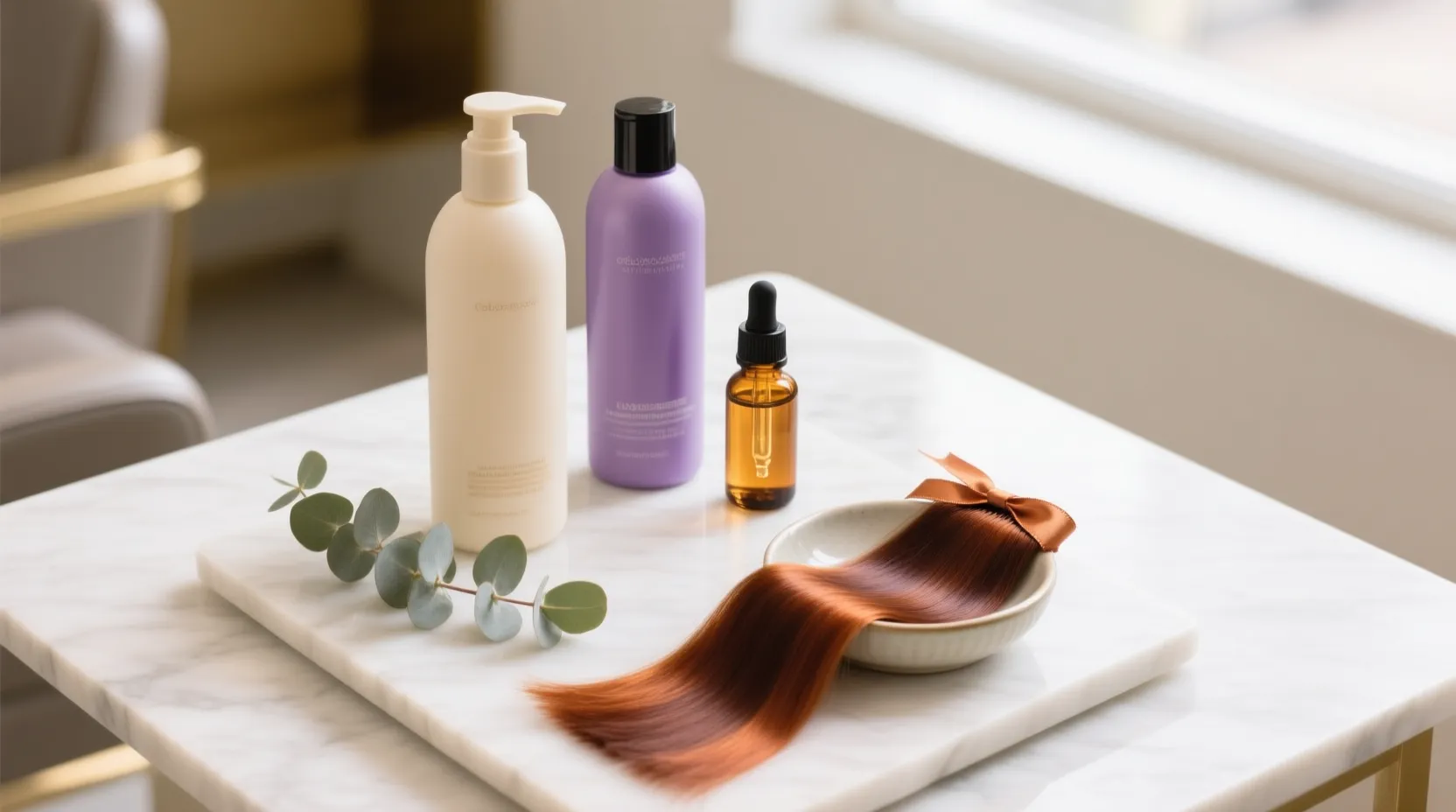
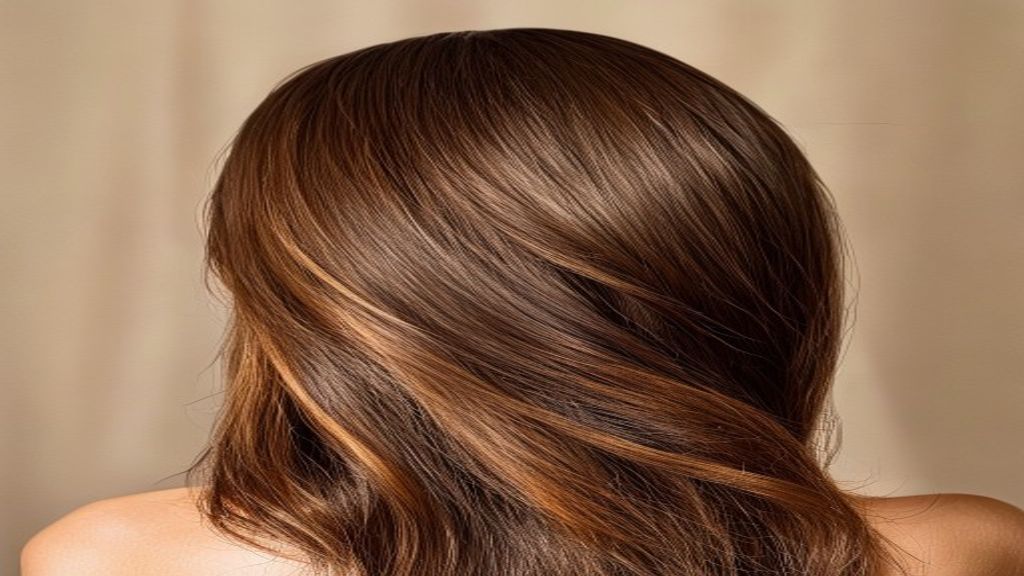
Freshly colored hair has that unmistakable glow — deep, rich tone, serious shine, and a finish that makes you want to flip your hair at every mirror you pass. The challenge? Keeping it looking that way until your next appointment. Color-treated hair has unique needs, and the right at-home routine is what separates color that lasts six-plus weeks from color that starts fading after two.
Here's what we recommend to every client who leaves our chair at The Look Hair Salon in Glendale.
1. Wait 48–72 Hours Before Your First Wash
This is the single most impactful thing you can do for color longevity — and it costs nothing. After a color service, the hair cuticle needs time to fully close around the dye molecules. Washing too soon, especially with hot water, forces those molecules out before they've locked in.
If you absolutely must wash sooner, use cool water only, a color-safe shampoo, and hold off on heat styling until you're past that 72-hour window.
2. Switch to a Sulfate-Free, Color-Safe Shampoo
Sulfates are the foaming agents in most drugstore shampoos. They're effective at stripping oils — which is also exactly why they strip color. Switching to a sulfate-free formula cleanses gently without pulling pigment from the cuticle.
Look for shampoos labeled "color-safe" or "for color-treated hair." If you have blonde, silver, or heavily highlighted hair, a purple or blue shampoo used once or twice a week can also neutralize brassiness and keep your tone looking fresh and salon-polished.
3. Lower the Water Temperature
Hot showers feel amazing, but hot water is one of the biggest enemies of color-treated hair care. Heat opens the hair cuticle and causes color molecules to leach out with every wash. Dropping the temperature — even just to lukewarm — can extend the life of your color noticeably between visits.
Finish your rinse with a quick blast of cool water. It seals the cuticle, locks in moisture, and gives hair extra shine — no products required.
4. Deep Condition at Least Once a Week
Color services, particularly lightening treatments like balayage, highlights, or bleach, increase hair porosity. Porous hair loses moisture quickly, which leads to dryness, dullness, and accelerated color fade.
A weekly deep conditioning treatment restores that lost moisture, smooths the cuticle, and brings back the reflective quality that makes color look luminous. Our in-salon deep conditioning service at The Look uses a lipid-rich formula designed specifically for chemically treated hair — it's an easy add-on to any color appointment and makes a visible difference immediately.
5. Add a Color Gloss or Toner Between Appointments
Even the most carefully applied color eventually develops warmth or fades — it's chemistry, not a failure. A color gloss or toner is one of the lowest-commitment, highest-impact ways to correct brassiness, deepen vibrancy, and add an extraordinary amount of shine without committing to a full color service.
Many of our clients in Glendale schedule a gloss every four to six weeks in between full color appointments. It takes about 20 minutes and makes a dramatic difference in how polished and fresh the color reads. Ask about it when you book your next appointment.
6. Protect Your Color from Heat and Sun
Two external factors speed up color fade more than almost anything else: daily heat styling and UV exposure.
Heat styling: Always apply a thermal protectant spray before blow-drying, flat ironing, or using a curling iron. Without protection, you're effectively cooking pigment out of the hair shaft on a regular basis.
Sun exposure: UV rays break down hair color molecules the same way they fade upholstery and clothing over time. During warmer months, protect color-treated hair with a UV-filtering leave-in spray, or wear a hat when spending extended time in direct sun. Research from the International Journal of Cosmetic Science confirms that UV radiation is a significant driver of hair color degradation.
7. Complete Your Color-Treated Hair Care with Regular Appointments
The most diligent at-home routine still has limits — professional maintenance is the real foundation of healthy, vibrant color. Most color services look their best when refreshed every six to eight weeks, though this varies by service: highlights and balayage have more flexible timing than single-process color or root bleaching, which tend to show regrowth more visibly.
Your stylist at The Look can help you build a maintenance cadence that fits your specific color, your lifestyle, and your schedule. Meet our team to find a stylist whose expertise matches your hair goals.
FAQ
How often should I wash color-treated hair? Aim for two to three times a week if possible. Daily washing accelerates fade significantly, and color-treated hair also tends to be drier and doesn't need the same frequency as naturally oilier uncolored hair.
Can I use purple shampoo every wash? Purple shampoo is a pigment-based toner, not just a cleanser — using it daily can deposit too much violet pigment and leave hair with a cool, ashy cast you didn't ask for. Most stylists recommend alternating it with a regular color-safe shampoo and using it one to two times per week.
Does swimming damage color-treated hair? Both chlorine and salt water are harsh on color. Before getting in the pool or ocean, rinse your hair with plain water first — hair that's already saturated absorbs less of the damaging water. After swimming, shampoo promptly and follow with a moisturizing conditioner.
How do I know when I need a gloss versus a full re-color? If your ends look faded or the tone has shifted brassy or dull but roots aren't a major concern, a gloss may be all you need. If roots have grown out noticeably — typically more than an inch or two — or the color has shifted dramatically throughout, it's time to consult your stylist about a full appointment.
Is conditioner safe to use on color-treated hair? Absolutely — conditioner helps seal the cuticle and is actually beneficial for colored hair. Just avoid products with heavy silicone buildups, which can coat the strand and interfere with color processing at your next visit if not thoroughly removed first.
Color-treated hair is an investment — in time, in your budget, and in how you feel every time you see your reflection. A thoughtful at-home routine goes a long way toward protecting that investment and keeping your color looking like you just walked out of the salon. When you're ready for a touch-up, a gloss, or a whole new look, our team in Glendale is ready for you. Book your appointment online anytime.
Filed under
Written by
The Look Hair Salon
Stylist at The Look Hair Salon — bringing this story to you from our chairs in Glendale.
Ready for your next look?
Pick a stylist + time online. We'll handle the rest.
Walk-ins welcome, but online bookings get our fastest confirmation.
Keep reading