Color Trends
Ombré vs. Balayage: Which Color Technique Is Right for You?
Ombré builds a bold root-to-end gradient. Balayage paints dimension selectively, so it grows out almost invisibly. Here's how to choose the right technique for your hair.
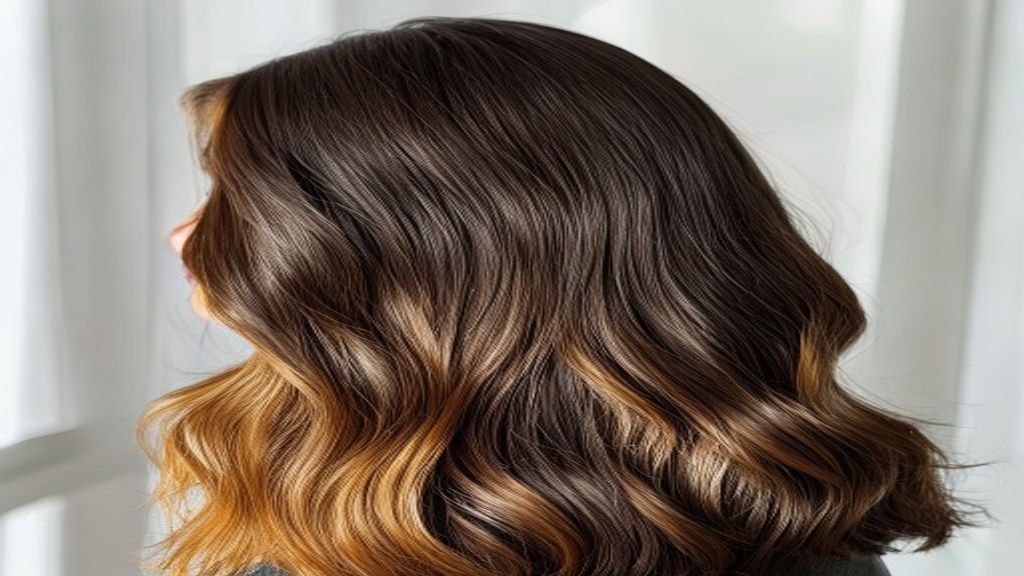
Ombré and balayage both create dimensional, beautifully lightened hair — but they work through entirely different methods and produce very different results. The ombré vs. balayage question is one of the most common in a color consultation, and the answer depends on your hair type, how much contrast you want, and the maintenance commitment that fits your life.
Ombré is a color technique that creates a visible, graduated gradient from a darker root to a lighter end. Balayage is a freehand painting method in which lightener is applied selectively to sections of hair, creating soft, irregular dimension that mimics naturally sun-kissed color. Both require lifting the hair, both can deliver striking results. The differences show most clearly in the finish and the grow-out.
Ombré vs. Balayage: Side by Side
| Ombré | Balayage | |
|---|---|---|
| Technique | Continuous gradient, root to tip | Freehand painted, selective sections |
| Finish | Defined, visible transition | Diffused, natural, sun-kissed |
| Regrowth | Visible at transition point | Nearly invisible grow-out |
| Best for | Bold contrast, defined color statement | Natural-looking dimension |
| Maintenance | Every 12–16 weeks | Every 16–20 weeks |
| Works best on | Medium-to-long hair; all types | All lengths and hair types |
How Ombré Hair Color Works
Ombré builds contrast by moving from one shade, typically close to the natural root, to a lighter or entirely different shade at the ends. The transition is directional and continuous, developing steadily across the length of the hair rather than appearing in isolated sections.
The gradient ranges from subtle to dramatic, depending on how far apart the root and end tones are placed. A soft ombré blends the shift over several inches, so the change reads as gradual and deliberate. A high-contrast ombré pushes the two tones significantly further apart, creating a stronger visual statement. Both versions require lightening the mid-shaft and ends, which means real chemical processing in those sections.
One practical consideration: the transition point becomes more visible as roots grow in, particularly on clients with darker natural hair. Most find a touch-up every 12–16 weeks keeps the look deliberate rather than grown-out. A toner applied between those full visits can soften visible separation as the roots lengthen.
Ombré suits clients who want clear, visible contrast between their root and ends, who prefer the tonal shift to read clearly in any lighting, and who are comfortable with a consistent touch-up schedule.
How Balayage Works
Balayage, from the French word for "sweeping," is a freehand painting technique in which a colorist applies lightener directly onto the surface of individual sections of hair, without foils or guides. The placement and saturation are entirely hand-controlled, which gives balayage its signature soft, irregular result.
Because lightener goes onto specific sections rather than continuously across the hair, the brighter pieces appear scattered and natural throughout. Roots stay close to the client's base color. Lighter pieces concentrate where sunlight would naturally hit: around the face, at the top layers, and toward the ends. The overall effect is of hair that has been gently lightened over a long season.
The grow-out is balayage's most practical advantage. Without a defined transition point, there is no obvious regrowth line to manage. Most clients go 16–20 weeks between full balayage appointments without the color looking dated. A gloss or toner scheduled midway through keeps the tone fresh without repeating the full service.
Armen often recommends balayage for clients who want a natural-looking result or the longest possible stretch between appointments. The technique scales from barely-there warmth at the ends to full, richly dimensional color across the entire head, depending entirely on the client's goal.
What Happens to the Hair During Lightening
Both techniques involve oxidizing the hair's natural pigment, and both require the same attention to hair health before and after the service.
Lightening formulas work by breaking down the melanin molecules in the hair shaft. This process also affects the hair's structural proteins: the cuticle layers are the first to register the impact, and at higher degrees of lift, the effect extends deeper into the cortex. The result is increased porosity — hair that absorbs and loses moisture faster than it did before the service.
This is why a skilled colorist evaluates hair condition before formulating, and why conditioning after any lightening service matters more than most clients expect. At The Look Hair Salon in Glendale, CA, both balayage and ombré appointments pair naturally with B3 Intensive Repair & Rebonding to reinforce hair bonds during the lightening process, or with a deep conditioning treatment afterward. Our in-salon treatments include a full repair and conditioning menu designed for color-treated hair.
Which Technique Is Right for You?
The decision comes down to three things: how visible you want the contrast to be, how often you want to return to the salon, and what your starting color is.
Choose ombré if you:
- Want a defined, visible gradient from darker roots to lighter ends
- Are comfortable with touch-ups every 12–16 weeks
- Prefer a bold, deliberate color statement
- Want the shift in tone to read clearly in any lighting condition
Choose balayage if you:
- Want a natural, sun-kissed finish over obvious color placement
- Need the longest stretch possible between full appointments
- Are starting from a medium to dark base and want gradual, dimensional brightening
- Want a result that grows out gracefully with minimal visible regrowth
For clients starting from very dark hair, both techniques may require a pre-lightening session before the full target shade is achievable in one appointment. A colorist will confirm this during a consultation and set clear expectations before anything is mixed.
Keeping Your Color Fresh
After either service, the care routine is the same: sulfate-free shampoo, cool water rinses, and UV protection when spending time outdoors. Southern California sun is relentless on lightened ends, especially warm-toned ones, and a Glendale summer can accelerate fade noticeably without consistent protection.
For a complete breakdown of what extends color between appointments, our color-treated hair aftercare guide covers wash frequency, gloss timing, heat protection, and when a gloss makes more sense than a full recolor.
When you're ready to decide, the color techniques we offer at The Look cover both balayage and ombré, each calibrated to your hair's current condition and your specific goals. Schedule a visit with reference photos in hand — the consultation is where we figure out which approach, and which degree of contrast, will give you the result you're actually after.
FAQ
What is the difference between ombré and balayage?
Ombré creates a continuous, visible gradient from darker roots to lighter ends. Balayage applies lightener selectively through freehand painting, producing soft, natural dimension without a defined transition line. Ombré reads as more intentionally contrasted; balayage reads as naturally sun-kissed.
Which lasts longer between appointments, ombré or balayage?
Balayage typically goes 16–20 weeks between full appointments because the grow-out is gradual and regrowth lines are nearly invisible. Ombré generally needs refreshing every 12–16 weeks as the transition point becomes more noticeable with root growth. A mid-cycle toner can extend either look.
Can I get balayage or ombré on dark hair?
Yes, though very dark starting colors often require a pre-lightening session before the target shade is fully achievable. Your colorist will assess your hair during a consultation and tell you what one appointment can realistically accomplish versus what might need two visits to complete safely.
Is ombré or balayage better for fine hair?
Balayage tends to work more gently on fine hair because selective placement adds visible dimension without uniformly lightening the full shaft. Ombré can also work beautifully on fine hair with the right formula and timing; a consultation helps determine which fits the hair better.
Do I need a consultation before booking either service?
For any service involving significant lightening, especially with color history or dark starting hair, a brief consultation is worthwhile. It lets your colorist assess hair condition, set realistic expectations for the first appointment, and provide an accurate quote before anything is mixed.
Filed under
Written by
Armen, Color Specialist at The Look Hair Salon
Stylist at The Look Hair Salon — bringing this story to you from our chairs in Glendale.
Ready for your next look?
Pick a stylist + time online. We'll handle the rest.
Walk-ins welcome, but online bookings get our fastest confirmation.
Keep reading