Styling Guides
How to Flat Iron Hair Without Damage: Tips and Temperature
Flat ironing without damage comes down to temperature, technique, and prep. Stylist tips from The Look in Glendale show you how to protect your hair every session.
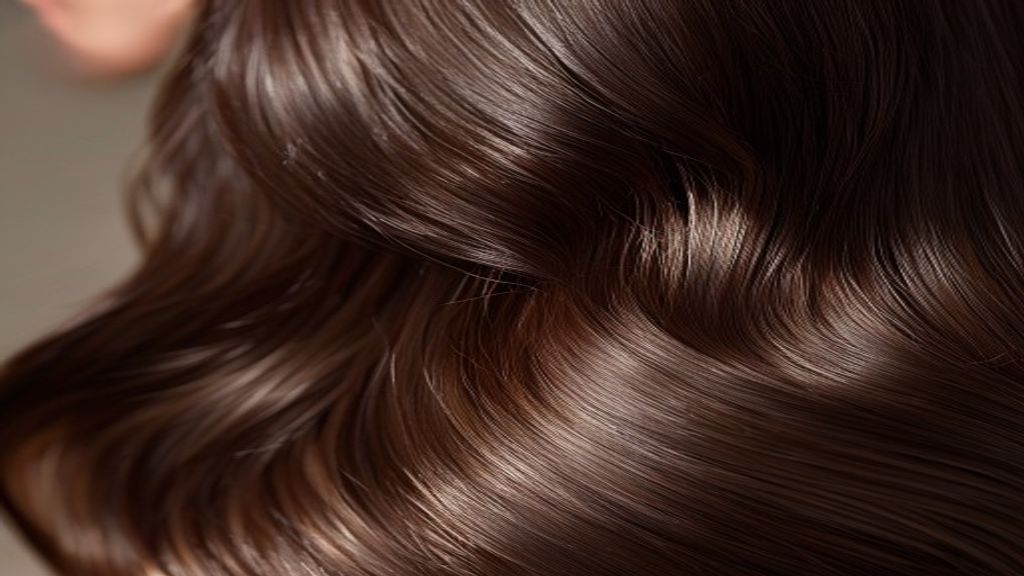
Flat ironing hair without damage is achievable, but it requires three things every session: temperature matched to your hair type, complete dryness before the iron touches the shaft, and a heat protectant that shields the cuticle before the plates close. Skip any one of those and the consequences compound; get them all right and a flat iron becomes a precision tool.
Thermal styling with a flat iron works by applying concentrated heat to rearrange the temporary hydrogen bonds in the hair shaft, creating a straight shape that holds until the hair encounters moisture again. It's a controlled, repeatable process when the variables are managed correctly — and a source of cumulative damage when temperature, preparation, or product are ignored.
How to Flat Iron Hair Without Damage
These six steps are what a professional applies every session, and what separates a routine that sustains the hair long-term from one that compounds damage across months.
-
Confirm the hair is completely dry. Any residual moisture converts to steam inside the shaft under flat iron temperatures, creating internal pressure that causes breakage at the structural level. After blow-drying, wait an additional five minutes before picking up the iron.
-
Apply heat protectant from mid-length to ends. Section the hair first and work the product through thoroughly; it needs actual contact with each strand to form the protective barrier. Focus from mid-shaft to ends, where each pass concentrates the most sustained heat.
-
Set the temperature for your hair type. See the table below. A temperature too high adds structural damage without additional styling benefit; the right temperature does the job cleanly in one or two passes.
-
Work in one-inch sections. Smaller sections let the plates move through cleanly without multiple passes. Larger sections require longer contact or more passes to smooth fully; both increase cumulative exposure.
-
Make two passes per section, maximum, and keep the iron moving. A slow, deliberate pass with consistent tension outperforms three fast ones. Stopping even briefly concentrates heat at one point and can permanently deform the strand there.
-
Seal with a cool finish and a light serum. A brief blast of cool air after each section closes the cuticle while the hair holds its shaped position. A small amount of lightweight serum on the ends adds surface smoothness and controls flyaways without weight.
Why Heat Damages Hair
The surface signs of heat damage: dryness, dullness, and mid-shaft breakage reflect structural changes that build across sessions, not from a single pass. Every time a hot flat iron runs over the same sections without adequate protection, the effects compound. By the time breakage is obvious, it has been accumulating for weeks.
Fine hair shows this fastest; its smaller diameter means less structural buffer between the plate and the center of the strand. Color-treated hair responds more readily to heat too, because chemical processing leaves the shaft more vulnerable at the same temperature setting. Thick, dense, natural hair handles heat best of the three, but it isn't immune.
Flat Iron Temperature by Hair Type
| Hair Type | Recommended Range |
|---|---|
| Fine or already damaged | 250–300°F |
| Normal / medium texture | 300–350°F |
| Thick or coarse | 350–400°F |
| Color-treated (any texture) | 300–340°F max |
Color-treated hair gets its own row because lightened or colored hair is more porous than unprocessed hair: the cuticle was lifted during the color service, meaning it absorbs heat faster and loses moisture more readily under thermal stress. Jasmine at The Look Hair Salon keeps color-treated clients at the lower end of the range by default and adjusts upward only when the hair genuinely doesn't respond.
Why Wet or Damp Hair Is a Hard Stop
Flat ironing wet or damp hair causes a separate category of damage from using too-high a temperature on dry hair. Water inside the shaft superheats at flat iron temperatures and converts to steam, building internal pressure that ruptures the protein structure from within. The breakage this produces appears at mid-shaft, and those weakened points become snapping points under normal combing tension afterward.
No heat protectant prevents this. The rule is binary: the hair must be completely dry before the iron touches it. If time doesn't allow full drying, skip the iron that session. A blowout without a flat iron follow-up is still a finished result; a flat iron pass on damp hair creates damage that takes weeks of conditioning to partly address.
How Heat Protectant Works and When It Falls Short
Heat protectant creates a film over the strand surface that slows heat transfer from the plates to the protein structure underneath. Its key limitation: even coverage of each strand is required for it to work as intended. A quick spritz on top of a large section leaves interior strands completely unprotected through each pass.
Spray formulas distribute most easily through fine or medium hair. Work them through each section with fingers or a wide-tooth comb before blow-drying, then let hair dry fully before ironing. For thick or coarse hair, a cream or serum formula coats and clings more thoroughly than a fine mist.
Jasmine keeps a travel-size heat protectant accessible so the step doesn't get skipped on hurried mornings, which is when most heat damage accumulates in otherwise careful routines.
When a Professional Thermal Styling Service Makes Sense
Some results are difficult to achieve consistently at home: a smooth finish that holds across four or five days, a polished look before an event, or a reset after heat damage has built up enough that in-salon conditioning needs to come first.
If repeated flat ironing has produced rough texture, persistent dryness, or breakage that isn't responding to at-home care, the hair repair and treatment menu at The Look covers in-salon strengthening options designed for thermally stressed hair, including B3 Intensive Repair and Rebonding, which targets bonds compromised by repeated heat exposure.
For a professional blowout or flat iron finish, the thermal styling and blowout services at The Look are calibrated to your hair type and handled from prep to polish by the same stylist. When you're ready to reset your heat routine or want a finish that genuinely lasts, reserve a chair at The Look Hair Salon in Glendale, CA.
For keeping a professional style going between appointments, our tips on extending your blowout across multiple days covers the refresh habits that make professional styling last.
FAQ
What temperature should I flat iron my hair without causing damage?
Temperature depends on your hair type. Fine or damaged hair: 250–300°F. Normal texture: 300–350°F. Thick or coarse: 350–400°F. Color-treated hair should stay at 340°F or below regardless of texture. Start at the lower end of your range; if the iron glides smoothly and the result holds, that's the right setting.
Is flat ironing every day bad for your hair?
Daily flat ironing accelerates cumulative heat damage. Limiting sessions to three or four per week, using the lowest effective temperature, and leaving heat-free days in between meaningfully slows the rate of structural wear. Always use heat protectant regardless of frequency to reduce what each session contributes to the total.
Do I really need heat protectant every time I flat iron?
Yes. Heat protectant slows heat transfer from the plates to the protein structure underneath. Without it, each pass applies the iron's full temperature to unprotected hair. The dullness and breakage associated with heat damage accumulate faster without that barrier, regardless of how carefully you control temperature and section size.
Can I use a flat iron on color-treated hair?
Yes, with adjustments. Color-treated hair is more porous and absorbs heat more readily than unprocessed hair. Keep the temperature at 340°F or below, use heat protectant every session, limit passes to two per section, and pair a regular straightening routine with weekly deep conditioning to offset the combined stress of color processing and heat styling.
Why does my hair feel fried after flat ironing even when I use heat protectant?
Usually one of three causes: temperature too high for your hair type, more than two passes per section, or hair that wasn't fully dry before ironing. Check all three before concluding the protectant isn't working. Heat protectant meaningfully reduces thermal transfer but can't compensate for a temperature that's above what the hair's current condition can handle.
Filed under
Written by
Jasmine at The Look Hair Salon
Stylist at The Look Hair Salon — bringing this story to you from our chairs in Glendale.
Ready for your next look?
Pick a stylist + time online. We'll handle the rest.
Walk-ins welcome, but online bookings get our fastest confirmation.
Keep reading